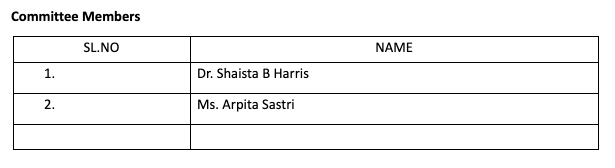
The Discipline and Anti-Ragging Cell functions as a vigilant body to uphold a safe, respectful, and disciplined environment within the college. Established in accordance with UGC regulations, the Cell serves as the moral guardian of the institution, ensuring that students adhere to the rules and maintain proper conduct both inside and outside the classroom.
The members of the Cell conduct regular rounds across all classrooms and campus areas to monitor student behaviour, identify instances of misconduct, and take corrective measures wherever necessary. The Cell works proactively to make the campus completely free from ragging, eve-teasing, and any form of harassment.
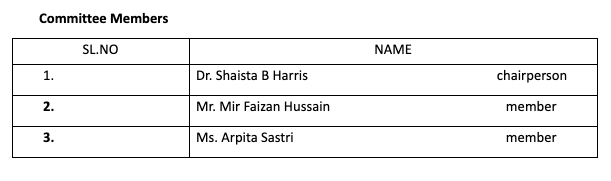
The Cultural Committee of is dedicated to fostering creativity, talent, and cultural vibrancy on campus. The committee provides students with opportunities to explore and express their artistic interests while creating an inclusive environment that celebrates diversity and tradition. The committee organizes a variety of events throughout the year — including cultural festivals, ethnic days, talent showcases, inter-collegiate competitions, workshops, guest performances, and social gatherings. These activities help students discover their strengths, develop confidence, and build meaningful connections with peers across different programmes. By nurturing talent and promoting cultural awareness, the Cultural Committee plays a key role in shaping well-rounded individuals who carry forward the spirit of creativity, unity, and celebration.
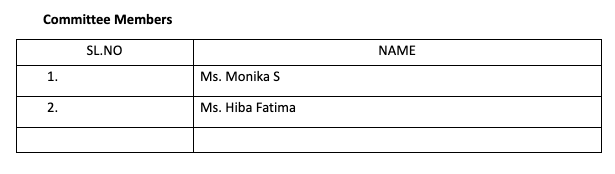
The Women’s Cell is committed to creating a safe, supportive, and empowering environment for all female students and staff. The Cell consists of dedicated faculty members along with the participation of women employees and students who work collectively to address issues related to safety, equality, and well-being on campus.The Cell actively responds to concerns or complaints raised by female students and staff, ensuring that every matter is handled sensitively, confidentially, and with appropriate action. To encourage students to voice their concerns freely, an anonymous complaint and suggestion box is placed near the Women’s Cell for those who may feel hesitant to approach the committee directly.

The Youth Red Cross Unit at Primus College promotes civic and social responsibility among students. Through activities such as blood donation drives, health awareness camps, first-aid training, and emergency preparedness programmes, the unit cultivates compassion, empathy, and a spirit of volunteerism. Its initiatives help students develop a strong sense of community service, shaping responsible, socially conscious, and proactive young citizens.

The Anti-Sexual Harassment Cell at Primus College is committed to ensuring a safe, respectful, and inclusive campus for all. The Cell addresses complaints promptly, conducts awareness and sensitization programmes, and implements preventive measures to uphold dignity and safety. With confidential support systems and a strict zero-tolerance policy, the Cell works to maintain a secure and empowering environment for every student and staff member.
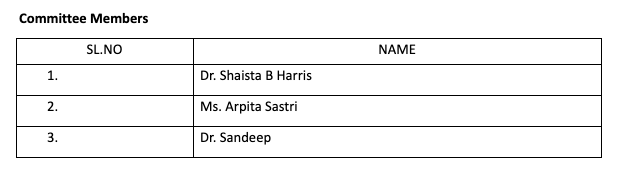
The Grievance Cell at Primus College is committed to addressing student concerns in a fair, timely, and transparent manner. It offers a structured platform for students to raise issues related to academics, campus facilities, or overall college experience. By ensuring that every concern is heard, evaluated, and resolved appropriately, the Cell promotes a supportive and responsive campus environment.
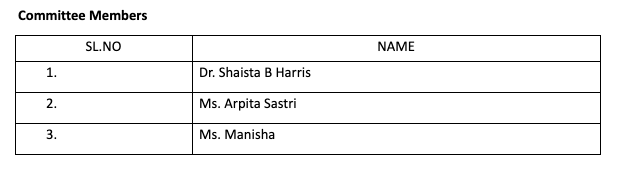
The Discipline Committee at Primus is responsible for upholding ethical conduct and maintaining discipline across the campus. It ensures adherence to institutional rules, promotes a culture of integrity, and addresses instances of misconduct with fairness and accountability. The committee also engages with students through awareness drives and guidance initiatives to help them understand and follow the college’s policies and expectations.
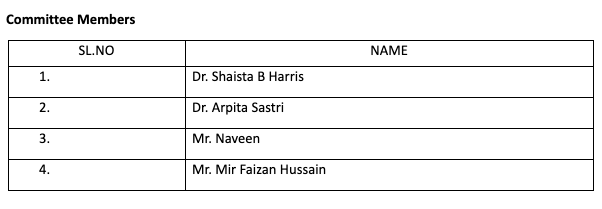
The Library Committee at Primus College works to enhance the academic experience by continually improving library resources, facilities, and services. The committee reviews library operations, considers feedback from students and faculty, and implements necessary updates to support evolving academic needs. Through these efforts, the library remains a dynamic centre for learning, research, and intellectual development.
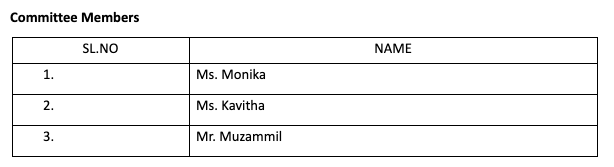
The SC/ST/OBC Cell / Equal Opportunity Cell at Primus College is committed to promoting inclusivity, equity, and equal access to educational opportunities for students from socially and educationally disadvantaged backgrounds. The Cell addresses grievances, provides guidance, and ensures that all students receive the support and resources necessary to excel academically. Through awareness programmes, mentorship, and advocacy, the Cell fosters a fair, respectful, and empowering environment, reinforcing the college’s commitment to social justice and equal opportunity for all.

The Student Counselling Cell at Primus College is committed to supporting the emotional, psychological, and academic well-being of students. It provides a safe, confidential, and approachable space where students can discuss personal concerns, academic pressures, or any challenges they may face. The Cell offers guidance through one-on-one counselling, group sessions, and awareness programmes that promote mental wellness, resilience, and personal growth. By fostering a supportive and empathetic environment, the Counselling Cell helps students navigate college life with confidence and balance.

The Sports Committee at Primus College is dedicated to promoting physical fitness, teamwork, and sportsmanship among students. The Committee organizes and oversees a variety of indoor and outdoor sports, tournaments, and fitness activities, encouraging participation at both recreational and competitive levels. By fostering a spirit of healthy competition, discipline, and collaboration, the Sports Committee contributes to the overall physical, mental, and social development of students, while nurturing talent and a lifelong appreciation for sports and wellness.

The Time Table Committee at Primus is responsible for planning, organizing, and managing the academic schedule to ensure smooth functioning of all courses and activities. The Committee prepares well-structured timetables for lectures, practicals, and other academic sessions, keeping in mind the requirements of students, faculty, and departments. By efficiently coordinating schedules and resolving any conflicts, the Committee helps maintain an organized, balanced, and effective learning environment across the college.

The Institutional Innovation Cell (IIC) / Entrepreneurship Development Cell (EDC) at Primus is committed to fostering innovation, creativity, and entrepreneurial skills among students and faculty. The Cell provides a platform for idea generation, startup initiatives, mentorship, workshops, and industry collaboration. By encouraging experimentation and problem-solving, the IIC/EDC empowers students to transform innovative ideas into practical solutions, promoting an entrepreneurial mindset and contributing to societal and economic development.

The IT Cell / Website Committee at Primus College is responsible for managing, maintaining, and upgrading the institution’s digital infrastructure and online presence. The Committee oversees website development, content updates, cybersecurity, and IT support services for students, faculty, and staff. By ensuring seamless access to information, promoting digital literacy, and supporting technology-driven initiatives, the IT Cell plays a key role in enhancing academic and administrative efficiency while keeping the campus digitally connected and secure.

The Intellectual Property Rights (IPR) Cell at Primus College is dedicated to creating awareness and facilitating the protection of intellectual property among students, faculty, and researchers. The Cell guides the college community on copyrights, patents, trademarks, and other forms of IP, while encouraging innovation and responsible creation. Through workshops, seminars, and advisory support, the IPR Cell helps individuals safeguard their original ideas, promote research and creativity, and foster a culture of innovation and ethical knowledge sharing.

The Internal Quality Assurance Cell (IQAC) at Primus College is committed to sustaining and enhancing the quality of academic and administrative processes. The Cell monitors, evaluates, and implements quality initiatives, ensuring continuous improvement across all areas of the institution. It also coordinates activities related to the National Institutional Ranking Framework (NIRF), facilitating data collection, reporting, and performance enhancement. By promoting best practices, feedback mechanisms, and quality standards, the IQAC helps the college achieve academic excellence, accountability, and institutional growth.
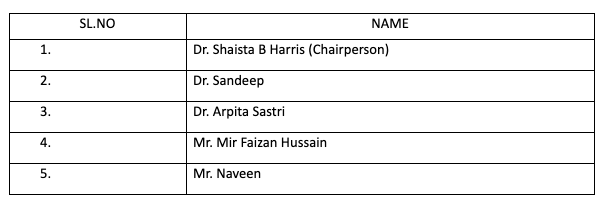
The Alumni Association of Primus serves as a vital link between the institution and its former students, fostering lasting connections and engagement. The Association organizes networking events, reunions, mentorship programmes, and career guidance initiatives, enabling alumni to share their experiences and expertise with current students. By promoting collaboration, knowledge exchange, and support for institutional growth, the Alumni Association strengthens the Primus College community and helps nurture future-ready graduates.

The Proctor Committee at Primus College is responsible for maintaining discipline, welfare, and overall student guidance on campus. The Committee monitors student conduct, addresses grievances, and provides mentorship to ensure a supportive and safe learning environment. By fostering a culture of responsibility, ethical behavior, and personal development, the Proctor Committee plays a key role in promoting a positive and orderly campus life.
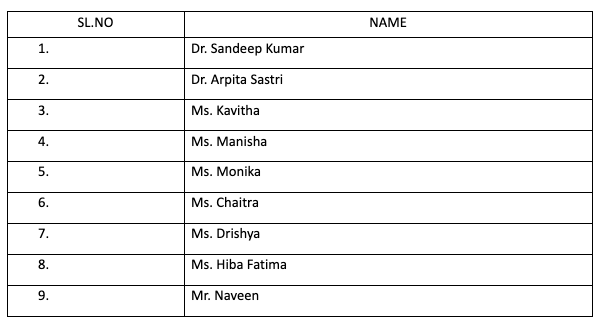
The Newsletter Committee at Primus College is responsible for curating, designing, and publishing the institution’s newsletters, keeping the campus community informed and engaged. The Committee collects updates on academic achievements, events, student activities, and faculty contributions, presenting them in an informative and visually appealing format. By highlighting accomplishments, sharing news, and fostering communication, the Newsletter Committee strengthens the sense of community and showcases the vibrant life of the college.

The Examination Committee at Primus College is responsible for ensuring the smooth and fair conduct of all academic assessments. The Committee oversees examination scheduling, preparation of question papers, invigilation, evaluation processes, and result declaration. By maintaining transparency, integrity, and adherence to academic standards, the Examination Committee plays a crucial role in upholding the credibility of the institution’s evaluation system and supporting students’ academic success.

The Scholarship Committee at Primus College is dedicated to identifying, evaluating, and facilitating scholarship opportunities for students. The Committee guides eligible students in applying for merit-based, need-based, and external scholarships, ensuring transparency and fairness in the selection process. By promoting financial assistance and academic support, the Scholarship Committee helps students pursue their educational goals without financial constraints, encouraging excellence, inclusivity, and equal opportunities.

The Research Advisory Council at Primus College is dedicated to fostering a vibrant research culture among students and faculty. The Council provides guidance on research projects, interdisciplinary studies, and innovative initiatives, while promoting ethical practices and academic rigor. By facilitating collaboration, mentorship, and access to resources, the Research Advisory Council supports high-quality research, knowledge creation, and the dissemination of findings, contributing to the institution’s scholarly excellence and academic growth.

The Skill Training Programmes at Primus aim to equip students with practical skills, professional competencies, and industry-relevant knowledge to enhance employability and career readiness. The programmes include workshops, hands-on training, certification courses, and interactive sessions across various domains. By bridging the gap between academic learning and real-world applications, the Skill Training initiatives empower students to develop confidence, adaptability, and problem-solving abilities, preparing them for professional success in a competitive environment.

The Sustainable Development and Growth Cell at Primus College is committed to promoting environmental awareness, sustainable practices, and responsible growth within the campus and the community. The Cell organizes initiatives, workshops, and awareness programmes focused on energy conservation, waste management, biodiversity, and green practices. By encouraging students and faculty to adopt sustainable habits, the Cell fosters a culture of environmental responsibility, innovation, and long-term ecological balance, contributing to a greener and more sustainable future.

The ERP and Learning Management System (LMS) at Primus College is designed to streamline academic and administrative processes while enhancing the learning experience. The system facilitates seamless access to course materials, attendance, assignments, examinations, and academic records for students and faculty. By integrating administrative functions, communication, and academic management into a single platform, the ERP/LMS ensures efficiency, transparency, and a connected campus ecosystem, supporting both teaching and learning effectively.


In alignment with the vision of the National Education Policy (NEP) 2020, the Indian Knowledge System (IKS) Cell at Primus College is established to revive, integrate, and promote India’s traditional knowledge across various domains through education, research, and community engagement.
India’s rich intellectual heritage encompasses profound contributions in science, arts, humanities, commerce, management, health systems, and philosophy. The IKS Cell aims to explore and integrate this traditional wisdom into modern academic practices, encouraging original research, curriculum innovation, and interdisciplinary learning.